
Before I ever heard of Philip Kotler, studied marketing at university or managed multimillion-dollar acquisition budgets, I ran my very first commercial enterprise at the age of five.
I grew up in Central Asia, where — much like in any Muslim-majority society — community optics and collective social codes shape everyday life. The opinions of the street carried weight, and the golden, unwritten rule drummed into every household was always: what will the neighbours say?
At five years old, however, cultural diplomacy was not top of mind. Like any ambitious founder, my business partner Irana (my best friend from next door) and I had a straightforward objective: we wanted to make our own money.

We had no pitch deck, seed capital or formal training. What we had was an intuitive grasp of classic commerce. Without knowing the textbook terminology, we built our tiny operation around the textbook 4 Ps of marketing:
Pre-loved toys from our own bedrooms.
A courtyard table under the shade trees, right in the path of the busiest foot traffic.
Accessible pocket change, funded by neighbourhood parents.
Vocal street-barker outreach, pulling in playground traffic.
The omission: zero PR and community stakeholder alignment. Not a thought for caregiver and neighbour optics.
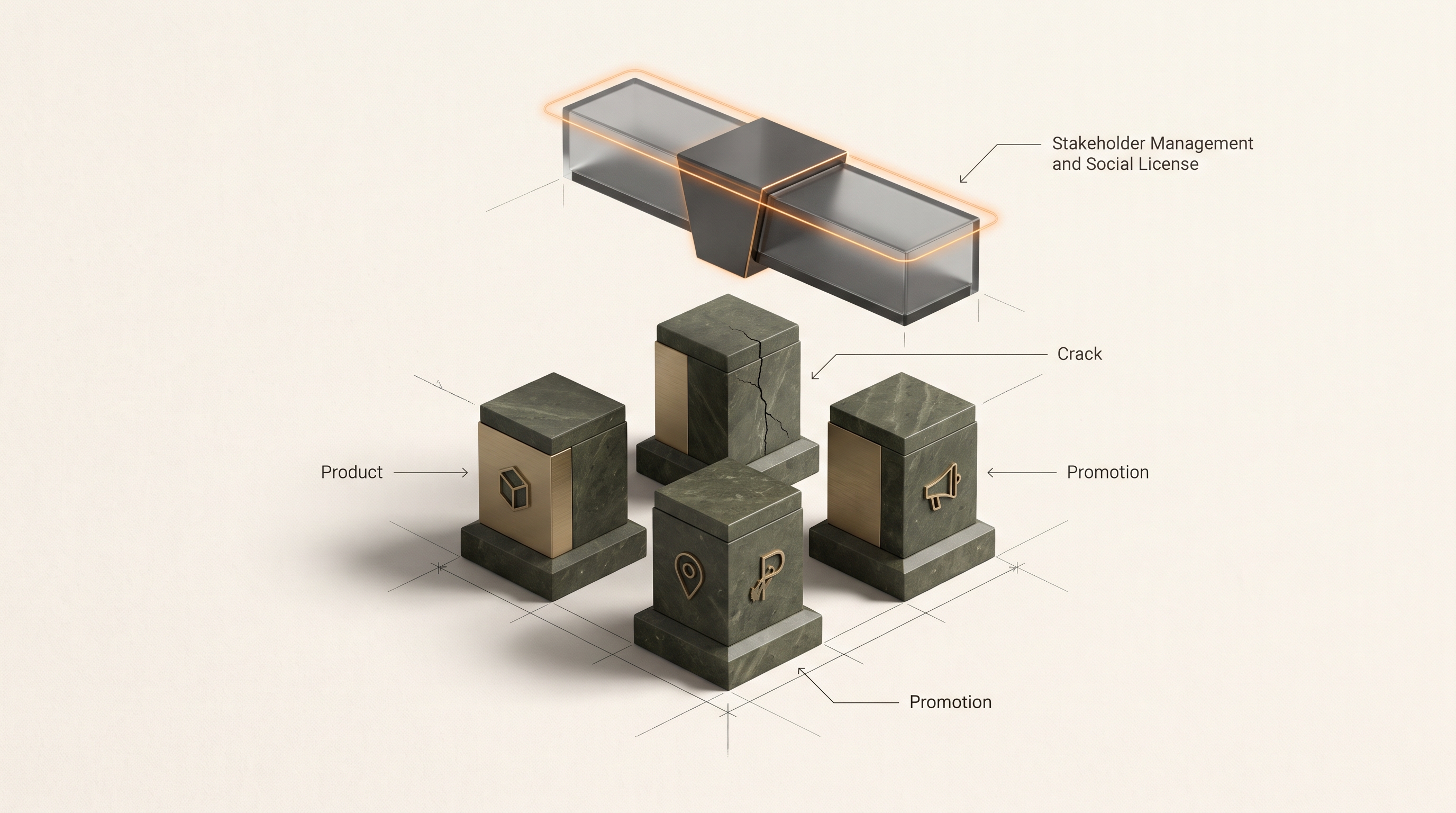
The flawless execution of the 4 Ps
1. Product (inventory curation)
We audited our personal assets and identified surplus inventory: toys we had outgrown or were willing to part with. They were tangible, fully functional and instantly recognisable to our target demographic.
2. Place (strategic foot traffic)
We didn’t hide in the hallway or set up shop where foot traffic was dead. We dragged a small wooden table directly into the centre of the residential courtyard, positioned under the shade of the trees. It was the natural crossroads where neighbourhood children ran — prime commercial real estate with guaranteed organic foot traffic.
3. Price (affordability and purchasing power)
Our pricing strategy was frictionless. We priced every item to match the spare pocket coins our peers carried — money handed to them by their parents for small treats. A toy cost exactly what a five-year-old could fish out of their pocket on the spot.
4. Promotion (direct-response outreach)
We didn’t rely on passive foot traffic. We acted as our own outbound sales team. Standing beside our little table under the branches, we called out to the kids playing across the courtyard, demonstrated the toys and funnelled them straight to our checkout counter.
The model worked. Conversion was instantaneous, transactions cleared smoothly, and by the end of the afternoon I was holding two hard-earned roubles (dollars) in cold, crisp cash. For a five-year-old, it felt like ringing the bell on an IPO.
The cultural blind spot: the cost of ignoring PR and stakeholder optics
Then came executive governance — in the form of my caregiver.
There was no congratulatory toast for our record sell-through. Instead, I walked straight into a full-blown crisis management meeting. My caregiver was deeply upset and furious.
Growing up in Central Asia, commerce is never purely transactional; it exists inside an intricate web of neighbourhood reputation. Selling our used possessions in the middle of the shared yard was seen as improper. The immediate reprimand wasn’t about our pricing or inventory turnover. It struck straight at the core cultural nerve:
“Why didn’t you think about what the neighbours would think? What are people going to say about this?”
As punishment for my unsanctioned market and total disregard for neighbourhood perception, my revenue was promptly confiscated. My two dollars vanished into thin air.

At the time, the consequence felt harsh and confusing. I had done everything the mechanics of business required: identified demand, supplied working inventory, priced it accessibly and closed the sale.
Only years later did the structural flaw become unmistakable: I had executed the 4 Ps to perfection, but completely botched PR (public relations) and community stakeholder management.
Why social licence overrules pure mechanics
In marketing and business, you can build a seamless conversion engine, but if you launch without understanding the social context and external optics of your ecosystem, your initiative will get shut down just as swiftly as my courtyard table.
- A funnel without a social licence collapses. Every business operates inside a broader community framework. If your aggressive commercial mechanics alienate local stakeholders, cultural values or public sentiment, top-line revenue will not protect you.
- Optics and internal buy-in are non-negotiable. Before launching an offer, you must manage perceptions. If decision-makers, community leaders or governing partners view your project as a reputational liability rather than an asset, they will shut it down regardless of margin.
- Commercial instincts are intuitive; context requires mastery. Fundamental trade dynamics — supply, demand, visibility and persuasion — can be understood even by a five-year-old. The truly difficult discipline is learning how to navigate the human relationships, reputational nuance and cultural guardrails that govern every transaction.
I may have lost my two dollars that afternoon, but the real return on investment arrived years later:
Never launch an offer without securing your stakeholder relationships and social licence first.
Planning a bold campaign?
I help Australian businesses build marketing that sells, and that leadership, partners and customers can get behind.